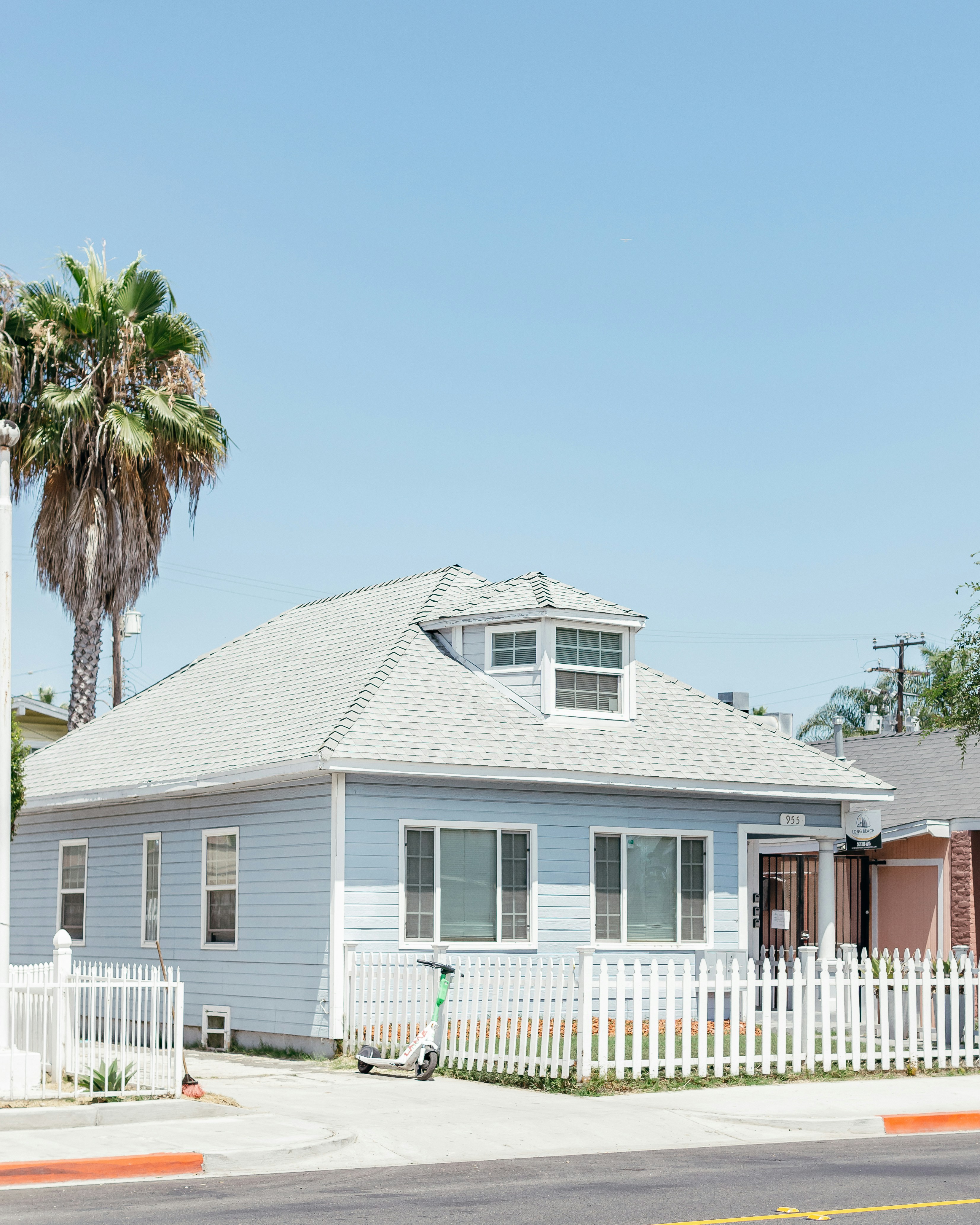
Most of the vacant and overfull homes we buy come with a story behind them. A parent moved into care, or passed, and the house has sat untouched ever since. A rental emptied out and never got back on its feet. A relative who couldn't bear to part with things filled the rooms a little more each year, until one day the family realized no one could even walk through. These aren't situations people plan for, and they're almost never as simple as "just sell it."
The hard part is usually everything around the sale. An empty home doesn't just sit there quietly — it quietly costs money and collects risk the whole time. And a home that's full of a lifetime of belongings can feel impossible to even start on, especially from another state, or while you're grieving, or when the thought of sorting through it all is simply too much. Meanwhile a traditional listing demands the one thing these homes can't easily give: it has to be clean, repaired, and ready for strangers to walk through.
Here's what a cash buyer changes: you don't clean it, you don't fix it, and you don't empty it. We buy the home exactly as it stands today — belongings, clutter, deferred repairs and all — and we take care of the rest after closing. You walk away with what matters to you and leave everything else behind.
"People apologize to me for the state of these houses all the time. They never need to. My job isn't to judge how a home got here — it's to take the whole thing off your plate, cleanly and quickly, so you can move on."
— Eleonor, Founder
Below is a straight look at what an empty house actually costs you while it sits, the San Diego rules that surprise owners the most, how we handle a home that's full to the ceiling, and how fast a cash sale can close. If you'd rather just talk it through, call (310) 999-3228 — no pressure, and nothing you'd need to clean up first.