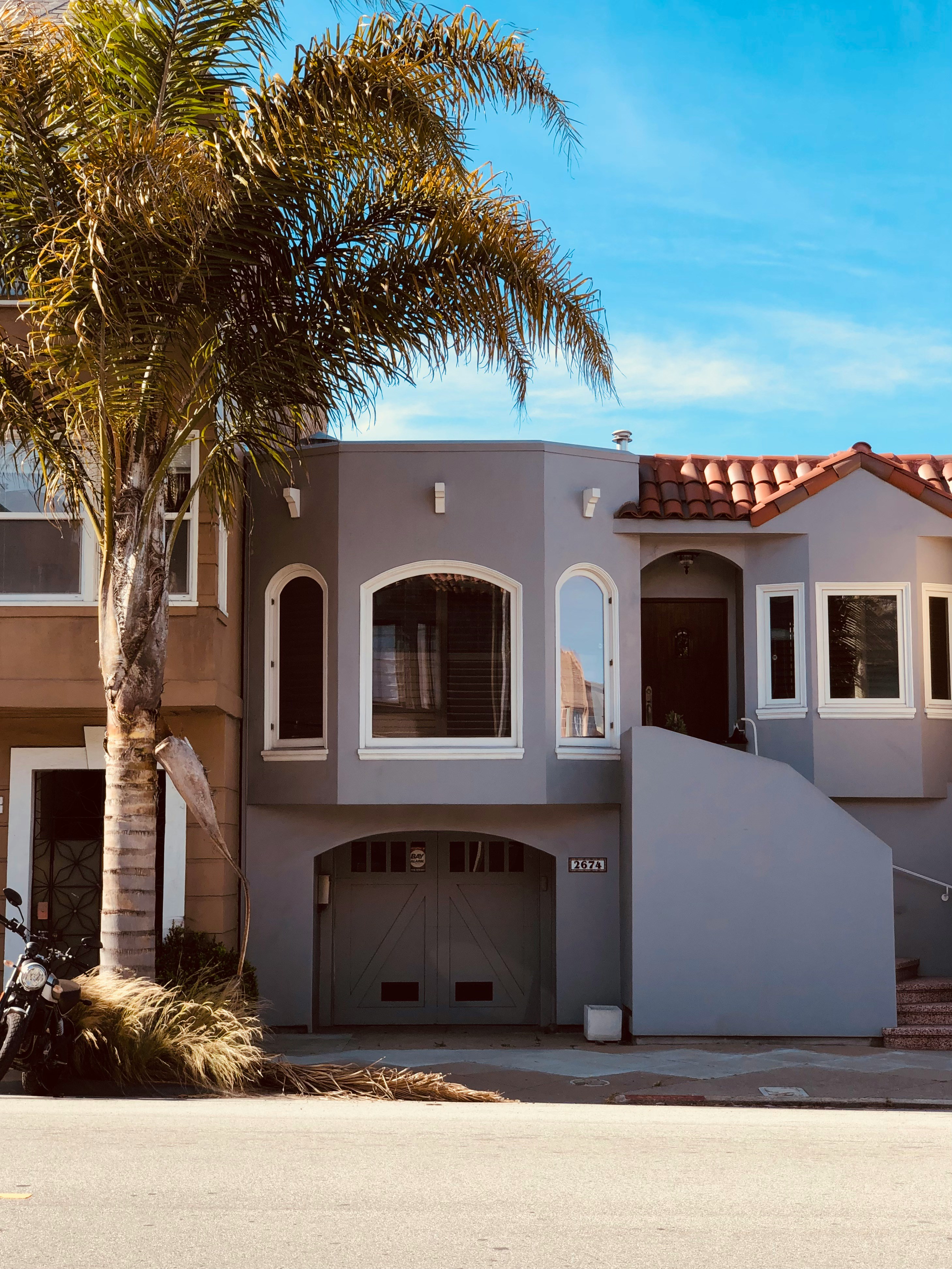
For most couples, the home is where the marriage actually happened — the kitchen, the kids' height marks on the doorframe, the backyard projects. So when a divorce reaches the point of deciding what to do with it, the conversation carries a lot more weight than a spreadsheet of equity. It's also, very often, the single largest asset two people own together, which means it can't quietly be set aside while everything else gets sorted out.
We've worked with a lot of San Diego couples at exactly this moment, and the hard part is usually not the real estate — it's the coordination. Two people who are no longer aligned on much of anything now have to agree on a price, a timeline, repairs, showings, and who keeps the house clean for buyers. Each decision becomes a chance for an old argument to resurface. Add a tight settlement deadline or a mortgage neither person can carry alone, and the pressure builds fast.
Here's what a neutral cash buyer changes: instead of the two of you managing a months-long listing together, there's one written offer on the table, one closing date, and a buyer who is not on either side. You don't stage anything. You don't host strangers walking through on weekends. And the money doesn't pass between the two of you — it goes to a neutral escrow and gets split according to your agreement or the court's instructions.
"Both people usually want the same two things: a fair number, and to be done. My job is to give them one clean transaction they don't have to fight about — and to be just as transparent with one spouse as I am with the other."
— Eleonor, Founder
Below is a plain-English look at how California divides a home in divorce, the three real options you have for the house, the one legal rule that surprises almost everyone, and where a cash sale fits. If you'd rather just talk it through, call (310) 999-3228 — no script, no pressure, and we're glad to loop in your attorney.